What to see inside the Fortezza of Rethymno
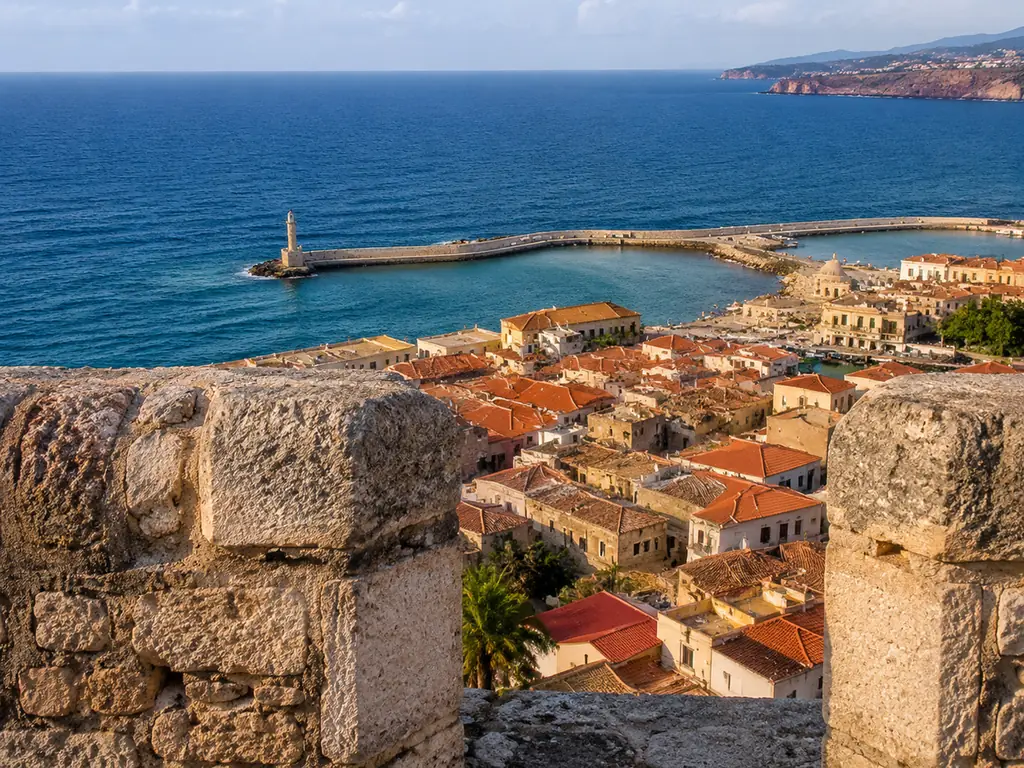
1. The main gate and the ravelin
The way in is on the east side, between the St Nicolas and St Paul bastions. St Paul is also called Santa Maria, which confuses people reading old plans. In front of the gate stands the ravelin the Ottomans added after 1646; it now houses the Archaeological Museum. There are two smaller gates on the west and north sides, and neither is where you want to start. Exactly where to stand is on the entrance page.
2. The St Nicolas bastion
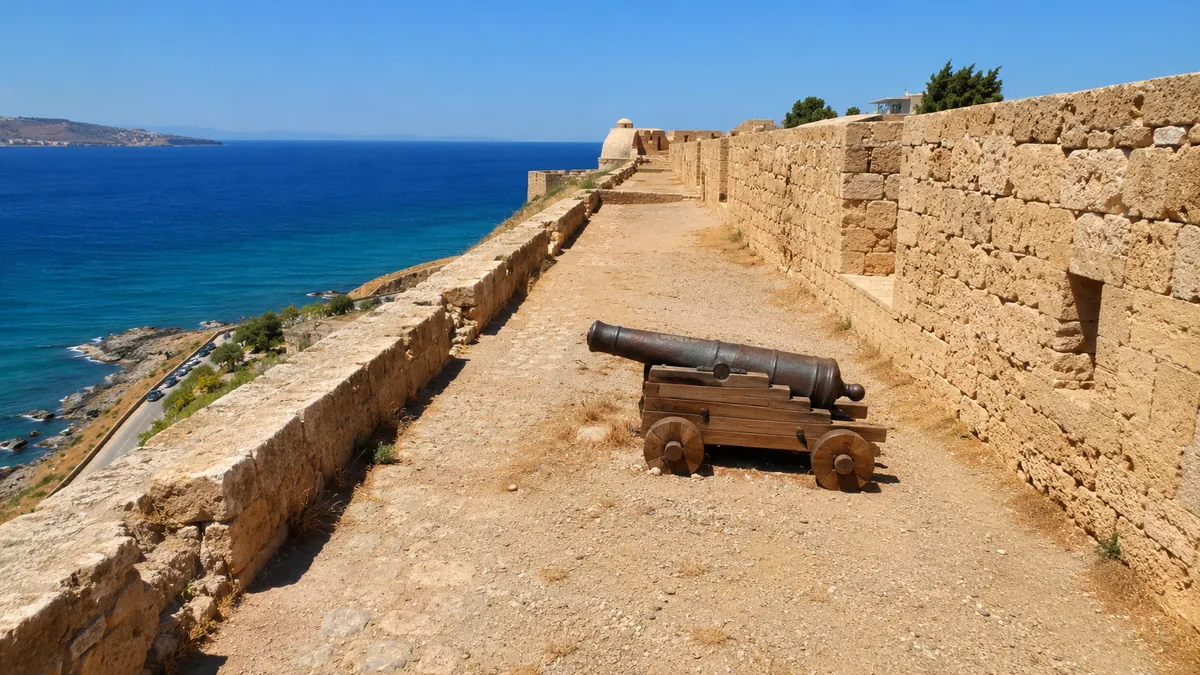
Go up first, before the heat. The four demi-bastions carry the whole 1,307 metres of wall between them, and this is where the Italian bastioned system stops being a phrase and becomes something you can see: angled faces, flanks that cover the curtain wall, no dead ground. Cannons sit on the ramparts.
3. The Mosque of Sultan Ibrahim
The big domed building in the middle, and the single most photographed thing inside the walls. It was built as the Cathedral of St Nicolas and converted by the Ottomans after the siege. Look at the plan under the dome and you can read both buildings at once. If you enter, dress as you would for any place of worship; there is more on what to wear.
4. The bishop’s residence and the two churches
The bishop’s residence stands near the mosque. The churches of St Theodore and St Catherine are both late 19th century, which surprises visitors expecting everything inside to be Venetian. It is not a Venetian museum. It is a hill that stayed in use for 400 years and kept adding to itself.
5. The House of the Rector, or what is left of it
The Venetian governor lived here. Only the prisons survive. It is the quietest stop on the loop and the one people walk past, and I think it is the most eloquent thing on the hill: the administration is gone and the cells are still standing.
6. The Council Building, the armoury and the magazines
The Council Building held part of the Venetian administration. Near it are the armoury, two gunpowder magazines and a set of storage rooms. Look for the cisterns as well. A fortress meant to hold a town’s whole population needed water more than it needed walls, and in 1646 it was disease, food shortages and running out of ammunition that ended the siege after about six weeks, not a breach.
7. The Erofyli theatre on the St Elias bastion
An open-air theatre built on the southern bastion and opened in 1993. It is used for concerts and festivals through the summer. Sit in it for a minute even when it is empty; the acoustics on a bastion are their own argument.
8. The western wall, for the sea
Finish on the St Lucas side, southwest, and walk the western bastions. In the last two hours before closing they face the sunset over the Cretan Sea, which is the reason to plan your visit around the light rather than around lunch.
The fast version — in, mosque, out — takes about 45 minutes and skips the storage rooms, the best sea views and every quiet corner. If that is all the time you have, at least walk out to one bastion.
What the signs will not tell you
The buildings are labelled. The reasons are not. Why Venice spent 107,142 Cretans on a hill above a small town, why the fort was too small for the job it was designed for, and what the Ottomans changed and did not change after 1646 are all in the complete guide, or in an hour with a guide who brings the ticket with them.
 Inside the wallsFortezza ticket included
Fortezza: Explore the Fortress of Rethymno with a Certified Guide
 Highest rated
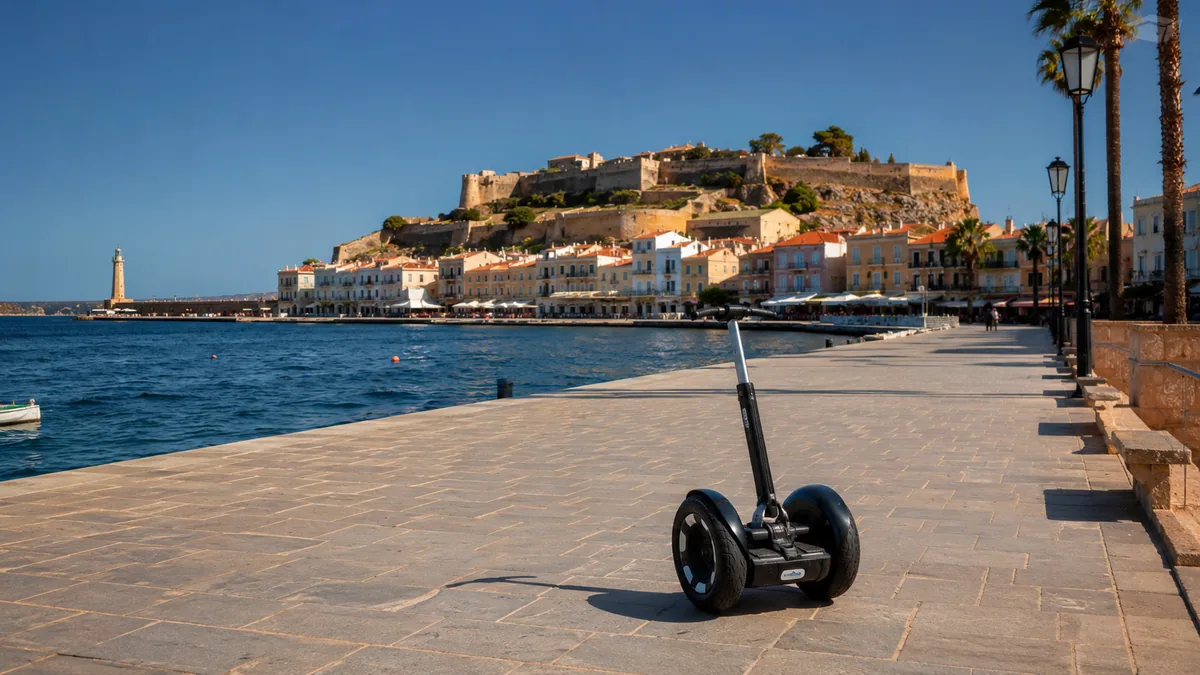
Rethymno: Old Town Segway Tour
 Best value
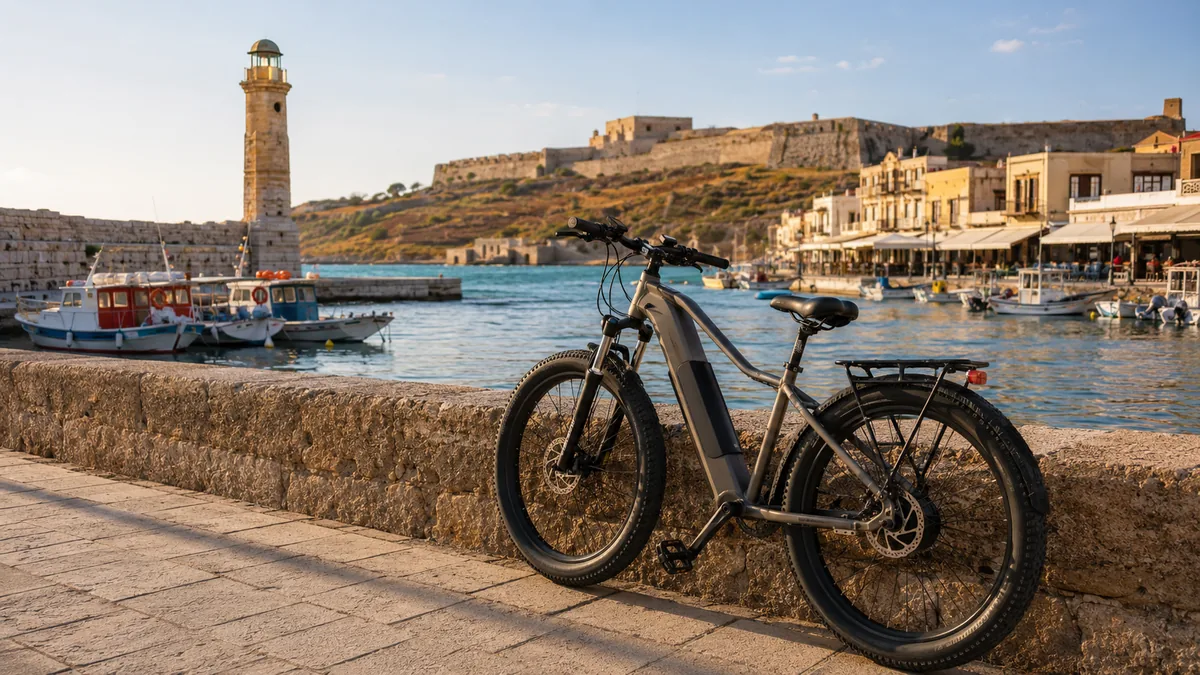
Rethymno: e-Bike Tour on the Old City
Frequently asked questions
What is the big domed building in the Fortezza?
The Mosque of Sultan Ibrahim. It was built as the Cathedral of St Nicolas and converted by the Ottomans, which is why a mosque there has the plan of a church under its dome.
How many bastions does the Fortezza have?
Four demi-bastions: St Nicolas on the east, St Paul or Santa Maria on the southeast, St Elias on the south and St Lucas on the southwest. Between them they carry 1,307 metres of wall.
Is the Archaeological Museum inside the Fortezza?
It is in the Ottoman-era ravelin that stands outside the main gate, so you pass it on the way in. It is a separate building with its own arrangements, not part of the walk described on how long you need.
Can you go inside the mosque?
The Mosque of Sultan Ibrahim is open to visitors as part of the site. Treat it as a place of worship: cover your shoulders, and see what to wear before you climb.